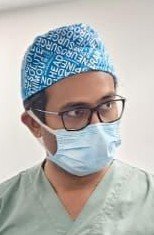
When to See a Neurosurgeon vs General Physician in Dhule | Dr. Kapil Patil


When you feel unwell, your first instinct is likely to visit your trusted family physician. General physicians play a critical role in managing our day-to-day health, treating common illnesses, and providing preventive care. However, when it comes to the complex systems of the brain, spinal cord, and nerves, certain symptoms require the immediate expertise of a specialist.
Knowing when to bypass general care and directly consult Dr Kapil Patil, a neurosurgeon in Dhule can be the difference between a quick recovery and permanent nerve damage. Here is a guide to help you recognize the "red flag" symptoms that mean it is time to see a neurosurgical specialist.
1. Severe, Unrelenting, or "Different" Headaches
We all get headaches from stress or dehydration, which a general doctor in Dhule can easily treat. But you should see a neurosurgeon if you experience:
- A sudden, explosive headache (often described as the "worst headache of your life"), which could indicate a ruptured aneurysm.
- Headaches that are worse in the morning and accompanied by nausea or vomiting.
- Headaches associated with vision changes, confusion, or weakness. These can be early warning signs of elevated brain pressure and may require urgent evaluation for tumour treatment or other neurological interventions.
2. Radiating Nerve Pain and Numbness
If you have a mild, dull ache in your lower back from lifting something heavy, a few days of rest and medication from your general physician might be enough. However, you need a neurosurgeon if:
- The pain shoots down your arm or leg (sciatica).
- You experience tingling, numbness, or a "pins and needles" sensation in your extremities.
- You notice sudden weakness in your hands or feet (like dragging a foot when you walk). These symptoms suggest that a nerve is actively being compressed by a slipped disc or bone spur, requiring specialized spine care.
3. Head Injuries and Trauma
After a road accident or a bad fall, a general check-up is not enough if there was an impact on the head. You must visit a neurosurgical center immediately if the patient experiences:
- Loss of consciousness, even for a few seconds.
- Repeated vomiting or severe confusion.
- Clear fluid leaking from the nose or ears. A specialist can rapidly assess the need for emergency brain surgery to relieve pressure from internal bleeding.
4. Seizures and Loss of Balance
A sudden seizure in an adult who has never had one before is a major red flag. Similarly, if you are experiencing sudden bouts of dizziness, loss of coordination, or difficulty speaking, these are localized brain symptoms. A neurosurgeon will use advanced imaging (MRI/CT) to pinpoint the exact cause, which could range from stroke to a brain tumour.
The Role of the Neurosurgeon
A neurosurgeon is extensively trained not just to perform surgery, but to diagnose and manage all diseases of the nervous system. While we are highly skilled in complex procedures like minimally invasive spine operations and brain surgery, our first goal is always to provide an accurate diagnosis. In many cases, we can treat nerve and spine issues through conservative, non-surgical methods.
Frequently asked questions
While a referral from your family doctor is helpful because they can provide your medical history, it is not strictly necessary. If you are experiencing direct red-flag symptoms like radiating nerve pain or sudden severe headaches, you can book a consultation directly.
Absolutely not. A large percentage of patients we see are successfully treated with medication, targeted physiotherapy, and lifestyle modifications. Surgery is only recommended when conservative treatments fail or when it is a medical emergency.
Yes. A neurosurgeon is the primary specialist who performs biopsies and the surgical removal of brain tumours. We work closely with medical oncologists and radiation specialists to coordinate your complete tumour treatment plan.
Both deal with the nervous system. A neurologist treats conditions with medication (like Parkinson's or migraines), while a neurosurgeon is trained to offer both medical and surgical treatments (like removing tumours or fixing compressed spinal nerves). If surgery might be an option, a neurosurgeon is the right doctor in Dhule to consult.