Jhula and the Infant Brain: What Every Parent Should Know


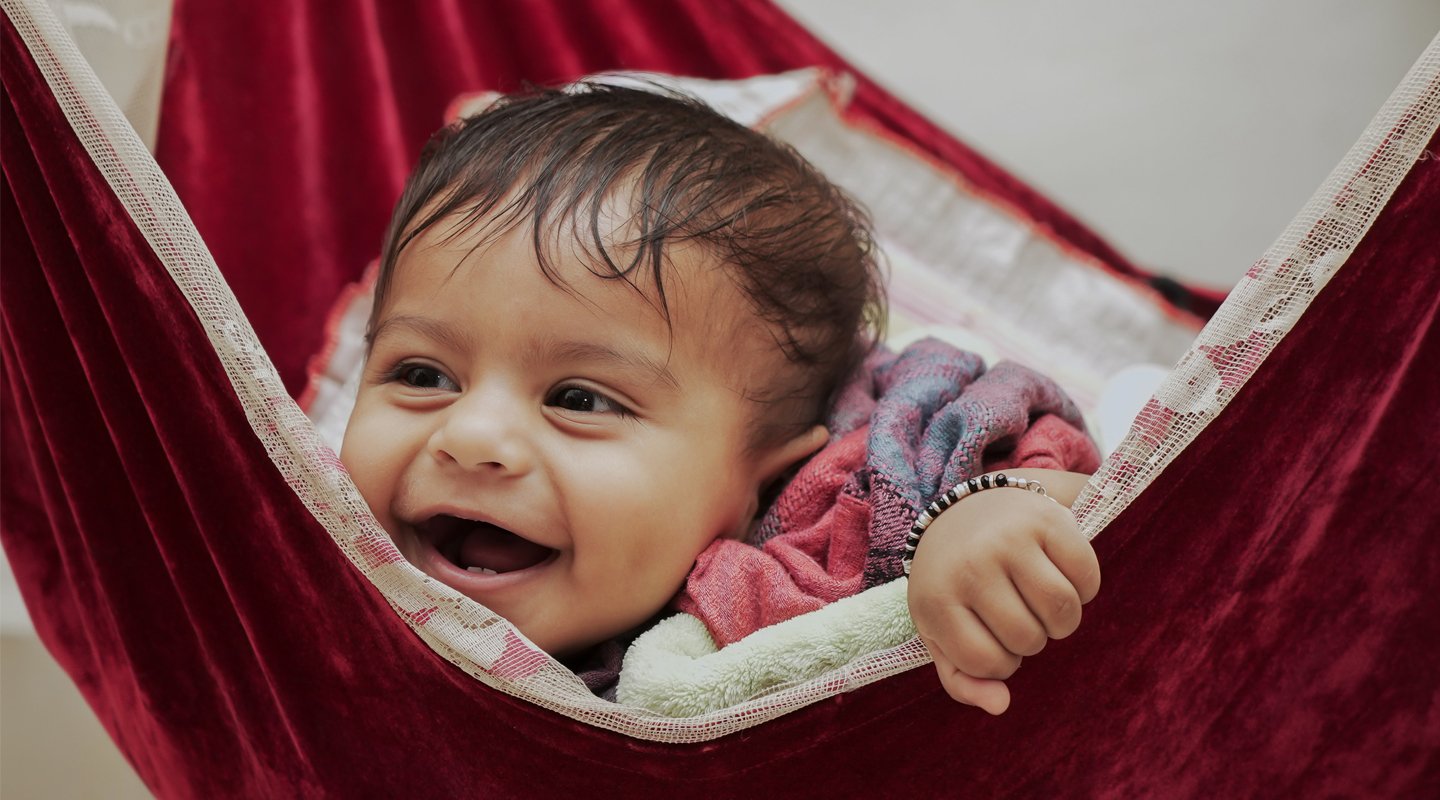
Walk into almost any home in Maharashtra or anywhere in India, for that matter and you will find a jhula. Whether it is a beautifully crafted wooden cradle or a simple, comforting hammock made from a mother’s soft cotton sari, the jhula is a deeply ingrained cultural tradition. For generations, it has been the go-to solution for soothing a colicky or restless baby.
But as a neurosurgeon, I often view our everyday habits through a different lens: the lens of human anatomy.
While a gentle sway is perfectly harmless, the practice of vigorous, rapid, or forceful rocking in a jhula can pose severe and hidden dangers to an infant’s developing brain. It is a topic rarely discussed in our communities, but it is one that every parent, grandparent, and pediatrician needs to understand.
The Anatomy of an Infant: Why Are They So Vulnerable?
To understand why forceful rocking is dangerous, we must first understand how an infant's head and brain differ from an adult's.
1. The "Bobblehead" Effect: An infant's head makes up about 25% of their total body weight, yet their neck muscles are incredibly weak and underdeveloped. They simply do not have the strength to support or stabilize their own head.
2. The Fragile Brain: A baby’s brain is highly unmyelinated, making it softer and more gelatinous than an adult brain.
3. Space in the Skull: Inside an infant's rigid skull, there is a small gap filled with cerebrospinal fluid between the brain and the bone. This space allows for the rapid brain growth that occurs in the first year of life.
The "Jhula" Effect: What Happens During Vigorous Rocking?
When a baby is swung too high and too fast, or bounced aggressively in a hammock, their unsupported head whips back and forth.
Because of the fluid space inside the skull, the soft brain violently sloshes back and forth, smashing against the hard inner walls of the skull. This rapid acceleration and deceleration cause a phenomenon known as shearing forces.
These forces can stretch and tear the delicate "bridging veins" that run along the outside of the brain. When these veins tear, blood pools inside the skull, a condition known as a Subdural Hematoma. Furthermore, the brain tissue itself can suffer micro-tears, and the fragile blood vessels in the back of the baby's eyes can rupture (Retinal Hemorrhaging).
In the medical world, this trauma profile is identical to Shaken Baby Syndrome (SBS) or Abusive Head Trauma (AHT). The tragedy here is that the harm is entirely unintentional. A tired mother or a well-meaning grandparent might just be trying to put a crying baby to sleep, unaware that the aggressive swinging is causing micro-traumas to the child's neurological system.
Hidden Symptoms: What to Watch For
The damage from vigorous rocking is not always immediately obvious. There are rarely external signs like bruises or bumps. Instead, the symptoms are neurological and behavioral. Seek immediate emergency medical care if your infant exhibits any of the following after being aggressively rocked:
- Extreme lethargy or difficulty staying awake
- Sudden drop in appetite or poor feeding
- Unexplained, projectile vomiting
- High-pitched, inconsolable crying or severe irritability
- Pale or bluish skin
- Breathing problems
- Seizures or tremors
Safe Practices for Soothing Your Baby
I am not suggesting we abandon the jhula. It is a beautiful tradition that provides a womb-like environment for a newborn. However, we must modernize our approach to safety:
- Gentle Sweeps Only: The motion of the jhula should be a slow, rhythmic, and gentle sway. It should never resemble a pendulum swinging wildly.
- Support the Head: If you are rocking the baby in your arms, always provide firm support to the back of the head and neck.
- Never Rock in Frustration: If your baby is crying inconsolably and you feel your frustration rising, place the baby safely in the crib and step out of the room for a few minutes to calm down. Never rock a baby out of anger or desperation.
- Educate the Caregivers: Have an open conversation with grandparents, nannies, and older siblings about why the baby's head is so fragile.