Epilepsy and Seizures: What Families in Dhule Must Know – Dr. Kapil Patil, Neurologist & Neurosurgeon


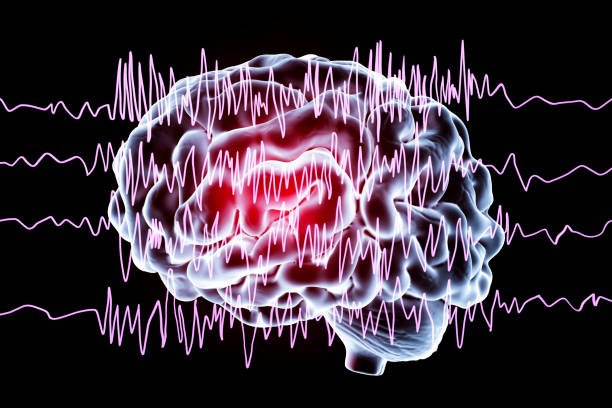
Seizures can be terrifying to witness and deeply misunderstood. Across Maharashtra, many epilepsy patients still face stigma, delayed diagnosis, and myths that prevent them from getting proper treatment. Dr. Kapil Patil, neurosurgeon at Vignaharta Hospital in Dhule, clears the confusion and explains everything families need to know about epilepsy and seizure management.
What Is Epilepsy?
Epilepsy is a neurological disorder characterised by recurrent, unprovoked seizures. It is caused by sudden, abnormal electrical activity in the brain. Epilepsy affects people of all ages from newborns to the elderly. In India, it is estimated that over 10 million people live with epilepsy, making it one of the most common neurological conditions.
Types of Seizures - Explained Simply
While the biology is the same, the risks differ by setting.
- Focal Seizures: Start in one part of the brain. The person may stare blankly, twitch one limb, or feel unusual sensations.
- Generalised Seizures: Involve the entire brain. This is the classic 'falling and shaking' seizure most people recognise - called a tonic-clonic seizure.
- Absence Seizures: Brief episodes of 'staring into space' lasting a few seconds. Common in children and often mistaken for daydreaming.
- Myoclonic Seizures: Sudden, brief muscle jerks often in the morning or upon waking.
- Atonic Seizures: Sudden loss of muscle tone causing the person to fall or collapse without warning.
What Triggers a Seizure?
- Missed doses of anti-epileptic medication
- Lack of sleep or extreme fatigue
- Flashing or flickering lights (photosensitive epilepsy)
- Fever, especially in young children (febrile seizures)
- Alcohol consumption or drug use
- Stress, anxiety, or hormonal changes
- Underlying brain conditions such as tumours or infections
What to Do If Someone Has a Seizure - First Aid
- Stay calm. Time the seizure with your phone.
- Clear the area of sharp or hard objects to prevent injury.
- Gently turn the person on their side (recovery position) to prevent choking.
- Never put anything in the person's mouth not fingers, not a spoon.
- Do not hold the person down or restrain their movements.
- If the seizure lasts more than 5 minutes or repeats - call emergency services immediately.
- Stay with the person until they are fully alert and oriented.
Common Myths About Epilepsy - Busted
Myth: Epilepsy is caused by evil spirits or supernatural forces.
Fact: Epilepsy is a medical brain condition caused by abnormal electrical activity. It has nothing to do with spirits or black magic.
Myth: Epileptic patients cannot live normal lives.
Fact: With the right treatment, over 70% of epilepsy patients become completely seizure-free and can work, drive, marry, and have children.
Myth: You must put something in the mouth during a seizure.
Fact: This is dangerous and can cause choking or broken teeth. Never do this.
Can Epilepsy Be Cured?
In many cases, epilepsy can be very well controlled with medication. For patients whose seizures do not respond to medicines (called drug-resistant epilepsy), surgery may be an option. Dr. Kapil Patil at Vignaharta Hospital evaluates such patients for surgical treatments including resection of the seizure focus in the brain, offering hope where medicines have failed.
When Should You See Dr. Kapil Patil in Dhule?
- First-ever seizure in a child or adult
- Seizures that are increasing in frequency
- Seizures not controlled by medication
- Seizure lasting more than 5 minutes (status epilepticus - emergency)
- Seizure followed by confusion, weakness, or paralysis
- New-onset seizures in a person above 50 years of age
A Neurosurgeon’s Closing Advice
Do not ignore seizures or self-medicate. A proper diagnosis with EEG and MRI scans at Vignaharta Hospital, Dhule can identify the exact cause and guide the right treatment plan for every patient.